Key Takeaways
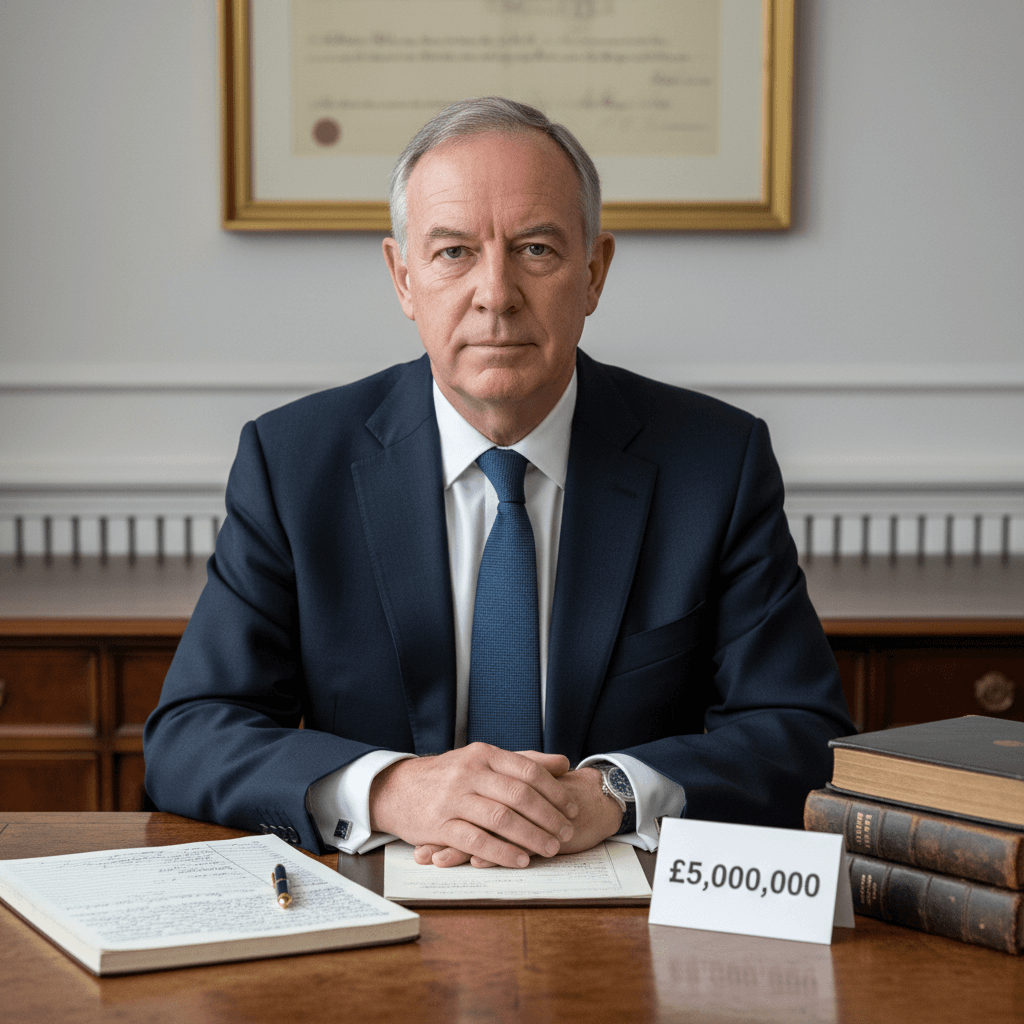
- Nigel Farage is under investigation regarding a £5 million gift from a crypto billionaire.
- The source and implications of the donation are being scrutinized by regulatory bodies.
- The controversy raises questions about transparency and foreign influence in British politics.
- Farage denies any wrongdoing, maintaining the funds were used appropriately.
- The investigation may affect public trust and electoral dynamics amid upcoming elections.
Background of the Donation
The revelation of the £5 million gift to Nigel Farage has sent ripples through the British political system, prompting immediate and intense scrutiny. This significant donation, sourced from an unnamed crypto billionaire, has ignited a firestorm of questions about its purpose and potential influence. Political analysts and regulatory bodies are particularly concerned about the lack of transparency surrounding the transaction, raising red flags about possible hidden agendas. Given Farage's prominent role in shaping British politics, any substantial financial backing inevitably draws considerable attention. The timing of the gift also adds to the intrigue, with national and local elections looming, suggesting potential strategic considerations behind the donation. Regulatory bodies, such as the Electoral Commission, are now compelled to investigate the transaction to ensure full compliance with political funding regulations. These regulations are designed to prevent undue influence on political processes and maintain fair electoral competition. The investigation aims to uncover the donor's identity and verify the legality of the funds. This probe is crucial to safeguarding the integrity of British politics and preventing any potential distortion of public opinion. The stakes are especially high because the revelation coincides with increased awareness of foreign interference in democratic processes, sparking calls for more stringent financial oversight and transparency measures. Moreover, the crypto origin of the donation raises further concerns, given the often opaque nature of cryptocurrency transactions. The inherent anonymity of crypto can make it challenging to trace the funds back to their original source, adding complexity to the investigation. Authorities are likely to engage specialist financial analysts to dissect the transaction and uncover any hidden layers. The utilization of digital currencies in political financing has emerged as a growing issue globally, prompting numerous countries to reevaluate their regulatory framework. As cryptocurrency becomes increasingly mainstream, its use in political financing demands more focused attention from regulatory bodies and policymakers. The investigation into the £5 million gift is not just about Farage; it has broad implications for the entire political landscape. It highlights the urgent need for stricter enforcement of financial transparency and oversight in British politics. This case serves as a stark reminder that financial contributions can significantly influence political discourse and decision-making. As the investigation unfolds, it is imperative for all parties involved to cooperate fully and provide complete transparency. The public deserves to understand the truth behind this donation and ensure that the integrity of the electoral process is maintained. The coming weeks will be critical in determining the long-term ramifications of this controversy.Implications for Farage's Political Activities
The investigation into the £5 million gift carries significant implications for Nigel Farage’s future political activities and public image. While Farage is not currently holding a formal political office, his role as a commentator and influencer remains substantial. The controversy could diminish his credibility and sway, particularly among his traditional supporters. A negative finding from the Electoral Commission could trigger further investigations and potentially lead to sanctions, further damaging his public standing. The unfolding situation also casts a shadow on any potential future bids for elected office, as the questions surrounding his financial dealings could deter voters. Farage’s prominent role in the Brexit campaign and subsequent political commentary has made him a divisive figure. The investigation risks further polarizing public opinion, with supporters likely to defend his actions and critics seizing the opportunity to criticize. This division could have a ripple effect on related political movements and parties, potentially altering the dynamics of the upcoming elections. Political analysts are closely monitoring how the controversy will affect public sentiment and voter turnout. The level of scrutiny and media coverage surrounding the investigation also amplify its impact, making it difficult for Farage to maintain a neutral or positive public perception. Moreover, the nature of the donation from a crypto billionaire adds another layer of complexity to Farage’s public image. Cryptocurrencies are often associated with financial speculation and regulatory uncertainty, which may not resonate well with his traditional voter base. The association with such a donor could alienate some supporters who value transparency and accountability. Farage's defense and explanations surrounding the donation will be crucial in shaping public opinion and mitigating potential damage. His communication strategy must address concerns about transparency and assure the public that his political activities are not unduly influenced. Regardless of the final outcome of the investigation, the controversy will undoubtedly leave a lasting impact on Nigel Farage's career. The questions about the source and purpose of the donation are likely to linger in the public consciousness, affecting his future endeavors and influencing political discourse for years to come. The need for full transparency and accountability from all political actors has been strongly reinforced by the unfolding events. The implications of this investigation extend beyond Farage himself, underscoring the importance of ethical conduct and financial integrity in politics.Regulatory Scrutiny and Legal Framework
The investigation into Nigel Farage's £5 million gift underscores the critical role of regulatory bodies, particularly the Electoral Commission, in ensuring transparency and integrity in political finance. The legal framework governing political donations in the UK is designed to prevent undue influence and maintain fair competition. However, loopholes and complexities within the existing regulations often present challenges in effective enforcement. The current investigation highlights the urgent need for reforms to address these shortcomings and adapt to emerging trends, such as the use of cryptocurrencies in political financing. Enhanced oversight and stricter penalties for non-compliance are essential to deter illicit financial activities. The Electoral Commission’s mandate includes monitoring and enforcing compliance with political finance rules. This involves scrutinizing donations, campaign spending, and financial reporting by political parties and individuals. The Commission has the power to impose fines, issue warnings, and even refer cases to law enforcement agencies for criminal investigation. The effectiveness of the Electoral Commission depends on its independence, resources, and ability to act swiftly and decisively. The investigation into Farage's donation serves as a litmus test for the Commission's ability to hold powerful figures accountable and uphold the integrity of the electoral process. The legal framework surrounding political donations is complex and evolving, particularly in the context of digital currencies. Cryptocurrencies pose unique challenges due to their decentralized nature and potential for anonymity. Regulators worldwide are grappling with how to effectively monitor and regulate the use of cryptocurrencies in political finance without stifling innovation. The UK government is currently considering amendments to existing legislation to address these challenges. These reforms may include stricter reporting requirements for crypto donations and enhanced mechanisms for tracing the source of funds. Ultimately, the investigation into Nigel Farage's donation serves as a catalyst for broader discussions about the role of money in politics. It reinforces the importance of transparency, accountability, and ethical conduct from all political actors. The legal framework must be robust and effectively enforced to prevent undue influence and safeguard the integrity of democratic institutions. The coming months will be crucial in determining the extent to which the existing regulatory framework can adequately address the challenges posed by emerging financial technologies like cryptocurrencies, shaping the future of political finance in the UK.Public and Political Reactions
The revelation of the £5 million gift has elicited strong reactions from the public and across the political spectrum. Public sentiment appears divided, with supporters of Farage defending his actions and critics condemning what they perceive as a lack of transparency. Social media platforms have become battlegrounds for heated debates, with hashtags both supporting and criticizing Farage trending nationally. This controversy has further deepened existing political fault lines and intensified partisan divisions. The widespread media coverage, both traditional and online, has amplified the public’s awareness of the issue. Politicians from various parties have weighed in on the matter, reflecting the broad range of opinions and political agendas. Opposition parties have called for a thorough investigation and demanded full disclosure of all financial dealings. Ruling party members have largely remained cautious, emphasizing the need to await the outcome of the regulatory review. This careful approach reflects the sensitive nature of the issue and the potential implications for all political actors. The reactions from political elites underscore the importance of maintaining public trust and adhering to ethical standards. The controversy has also sparked discussions about the influence of wealthy donors on political outcomes. Many observers have expressed concerns that large financial contributions could skew political discourse and undermine democratic values. Calls for stricter regulations on political donations and enhanced transparency measures have grown louder. The potential for foreign interference in democratic processes has become a central focus of concern. Public trust in politicians and political institutions could be eroded if financial dealings are perceived as opaque or unethical. In the wake of this controversy, there is a heightened awareness of the need for greater accountability and transparency from all political figures. The public's demand for ethical conduct and integrity from elected officials and influencers has been strongly reinforced. The long-term impact of this controversy on public trust and political engagement remains to be seen. As the investigation progresses, it is crucial for all involved to demonstrate a commitment to openness and honesty, upholding the principles of democratic governance.The Crypto Connection
The involvement of a crypto billionaire in the £5 million gift adds a layer of intrigue and complexity to the ongoing investigation. Cryptocurrencies, known for their decentralized nature and potential anonymity, pose unique challenges to regulatory oversight. The use of digital currencies in political financing has emerged as a growing concern globally. Authorities are grappling with how to effectively monitor and regulate these transactions without stifling innovation. The inherent challenges in tracing crypto funds make it difficult to ascertain the true source and purpose of such donations. The crypto industry is characterized by rapid innovation and evolving regulatory frameworks. The lack of a unified global approach to cryptocurrency regulation further complicates matters. Transactions can easily cross borders, making it difficult for individual countries to enforce their laws effectively. The regulatory uncertainties surrounding cryptocurrencies have also attracted both legitimate investors and those seeking to evade scrutiny. As a result, crypto donations to political figures are viewed with increased suspicion. Moreover, the association with a crypto billionaire could raise questions about Nigel Farage’s stance on financial regulation. Cryptocurrencies are often viewed as disruptive technologies that challenge traditional financial systems. Farage’s previous advocacy for Brexit and challenging establishment norms could align with the ethos of the crypto community. However, this association could also create potential conflicts of interest, particularly if Farage is involved in shaping financial policies or regulations. The investigation into the donation from a crypto billionaire highlights the need for greater regulatory clarity and international cooperation in the cryptocurrency space. The use of digital currencies in political financing demands a more focused and coordinated approach from regulators worldwide. The outcome of this investigation will likely influence future policies and guidelines governing the intersection of cryptocurrencies and politics, setting a precedent for transparency and accountability.Potential Outcomes of the Investigation
The investigation into the £5 million gift could lead to a range of potential outcomes, each with varying consequences for Nigel Farage and the broader political landscape. If the Electoral Commission finds that the donation complied with all regulations, Farage may face some reputational damage but would likely avoid further legal or financial penalties. However, a finding of non-compliance could trigger a series of more severe actions, including fines, warnings, or referral to law enforcement agencies. The severity of the penalty would depend on the nature and extent of the violation. In the event of a legal referral, Farage could face criminal charges if there is evidence of intent to evade political finance regulations. A conviction could result in substantial fines, imprisonment, and a permanent ban from holding public office. The reputational damage associated with a criminal conviction would be significant and could effectively end Farage’s political career. The legal process could also involve extensive discovery and public disclosure of financial information, further scrutinizing his personal and professional affairs. Beyond the legal consequences, the investigation could also have a significant impact on public opinion and electoral dynamics. Even if Farage avoids legal penalties, the questions surrounding the donation could erode public trust and diminish his influence. A negative perception among voters could reduce his ability to shape political discourse and sway election outcomes. The long-term reputational damage could affect his ability to secure future endorsements, funding, or political alliances. Ultimately, the outcome of the investigation will depend on the evidence presented and the findings of the Electoral Commission and any subsequent legal proceedings. Regardless of the specific result, the controversy has already raised important questions about transparency, accountability, and ethical conduct in British politics. The need for stricter enforcement of political finance regulations and enhanced oversight mechanisms has been strongly reinforced, shaping the future of political finance in the UK."The Nigel Farage case highlights the critical need for enhanced transparency in political financing. The public deserves to know the source of funds influencing our political landscape, especially given the rise of digital currencies and foreign actors in domestic politics. This is a pivotal moment for regulatory reform."
— Dr. Eleanor Finch, Professor of Political Ethics at the University of Oxford
| Aspect | UK Political Finance Regulations | Potential Regulatory Gaps | Proposed Reforms |
|---|---|---|---|
| Donation Limits | £7,500 to parties, £500 to individuals | Circumvention through opaque channels | Lower donation limits, stricter enforcement |
| Transparency | Reporting requirements for large donations | Anonymity through digital currencies | Enhanced KYC for crypto donations |
| Foreign Influence | Restrictions on foreign donations | Difficulty tracking foreign sources | Increased monitoring of international transfers |
| Enforcement | Electoral Commission oversight | Limited resources and powers | Greater Commission authority and funding |
| Digital Currencies | No specific regulations | High risk of illicit financial activity | Comprehensive crypto donation laws |
Frequently Asked Questions
What exactly is the Electoral Commission investigating regarding Nigel Farage's £5 million gift?
The Electoral Commission is investigating the source, purpose, and compliance of the £5 million gift with existing political finance regulations. This includes determining the identity of the crypto billionaire donor, verifying the legality of the funds, and ensuring that the donation did not violate any rules against foreign influence or undue financial advantage. The Commission is also scrutinizing whether the funds were used for legitimate political activities as reported and whether Farage properly disclosed the donation in accordance with legal requirements. Their findings will determine whether further legal action or penalties are warranted, and they are committed to upholding transparency in political finance.
How could this investigation potentially impact Nigel Farage's future political career, given his current status?
Even though Nigel Farage does not currently hold an elected political office, the investigation carries significant risks for his future prospects and public image. A finding of non-compliance could erode public trust, diminishing his influence and sway over public opinion. This could deter potential voters and supporters, affecting any future bids for public office. Moreover, negative publicity surrounding the investigation could damage his reputation, making it more difficult to secure endorsements, funding, or political alliances. His role as a media personality also adds complexity, as the controversy could affect his credibility and reach within the media landscape. The long-term consequences will depend on how effectively he manages the situation and responds to the investigation findings.
What are the specific challenges associated with regulating political donations made through cryptocurrencies?
Regulating cryptocurrency donations poses several unique challenges due to the decentralized and often anonymous nature of digital currencies. One primary challenge is the difficulty in tracing the original source of funds, making it hard to verify the legality of donations and prevent foreign interference. Additionally, the lack of a unified global regulatory framework complicates matters, as transactions can easily cross borders to evade scrutiny. Crypto transactions also lack the transparency of traditional financial systems, requiring specialized expertise to monitor and investigate. Developing effective regulatory solutions requires international cooperation and technological advancements to address these inherent complexities while fostering innovation.
What broader reforms to political finance regulations might result from this controversy, both in the UK and potentially elsewhere?
This controversy is likely to spur calls for broader reforms to political finance regulations, aimed at enhancing transparency, accountability, and enforcement. Potential reforms could include lowering donation limits, strengthening reporting requirements, and expanding the powers and resources of regulatory bodies like the Electoral Commission. Specific measures to address cryptocurrency donations may involve enhanced KYC (Know Your Customer) protocols, stricter monitoring of international transfers, and prohibitions on anonymous crypto contributions. These reforms could serve as a model for other countries grappling with similar challenges in regulating digital currencies and maintaining the integrity of their electoral processes. Greater international cooperation in harmonizing regulations and sharing information would also be crucial.
What steps can political figures take to ensure transparency and avoid similar controversies in the future?
Political figures can take several proactive steps to ensure transparency and avoid similar controversies in the future. Firstly, it is crucial to disclose all donations and financial dealings promptly and accurately, in accordance with legal requirements. Secondly, conducting thorough due diligence on donors to verify the source and legitimacy of funds is essential. Thirdly, establishing clear internal policies on accepting donations, particularly from emerging sources like cryptocurrencies, can help maintain ethical standards. Fourthly, engaging with regulatory bodies and seeking guidance on compliance can prevent inadvertent violations. Finally, prioritizing open communication with the public and addressing concerns proactively can build trust and maintain a positive reputation. Embracing transparency and accountability is key to preserving public confidence in political leadership.