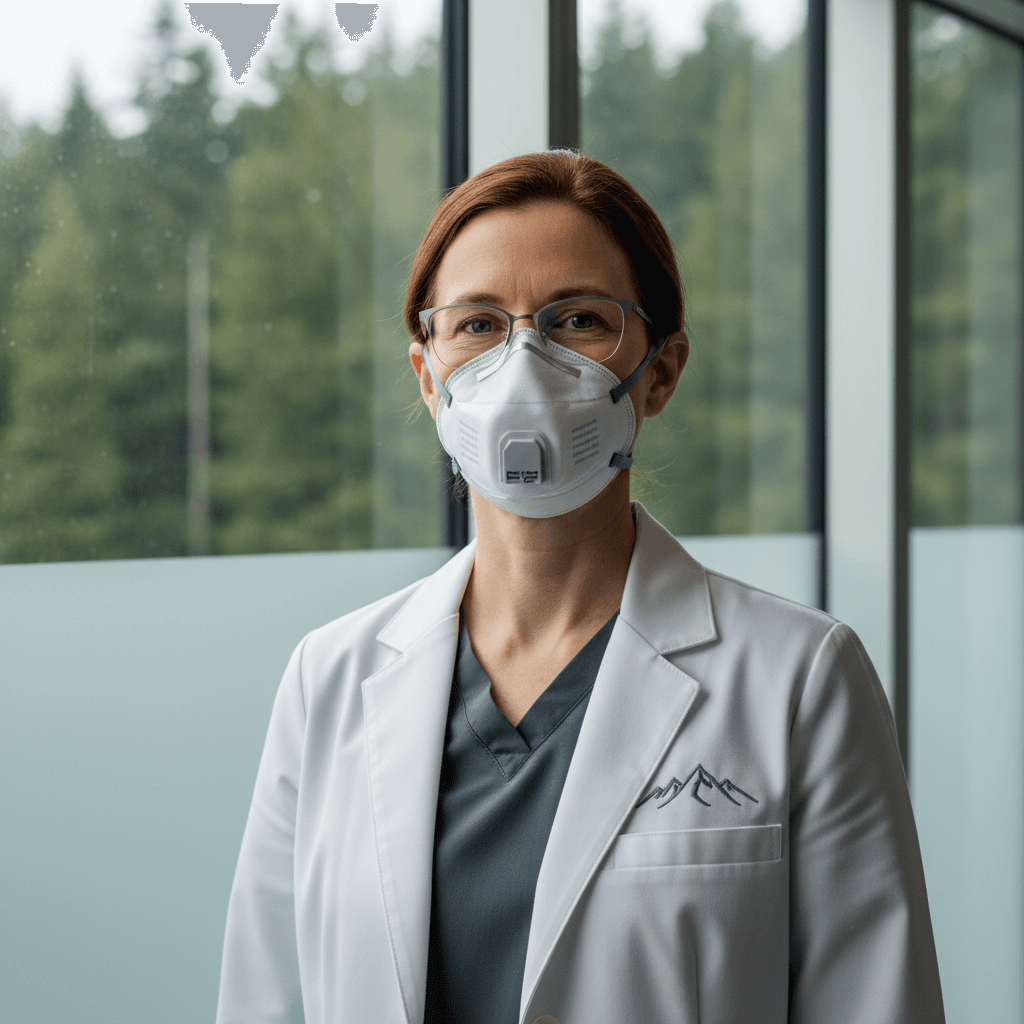
Key Takeaways
- Doctor from PNW hospital transferred to specialized isolation unit after possible hantavirus exposure.
- Hantavirus outbreak aboard cargo ship highlights risks associated with zoonotic diseases and global trade.
- Stringent safety protocols and containment measures are critical to prevent further spread.
- Monitoring the health of healthcare workers on the front lines is paramount.
- Understanding hantavirus transmission, symptoms, and treatment is crucial for effective response.
- The incident underscores the importance of public health preparedness and international collaboration.
The Hantavirus Outbreak: A Sudden Threat
The hantavirus outbreak on the cargo ship created a rapid and unexpected public health challenge. The initial reports indicated several crew members experiencing flu-like symptoms that quickly escalated, prompting a medical emergency. Hantavirus Pulmonary Syndrome (HPS) is a severe respiratory disease caused by hantaviruses, primarily transmitted through contact with rodents or their excrement. The close quarters of a cargo ship provide an ideal environment for rodent infestation and the potential for widespread transmission. Public health officials immediately initiated investigations, focusing on identifying the source of the virus and implementing containment measures to prevent further spread. This unexpected crisis highlights the ever-present threat posed by zoonotic diseases. The rapid response of local and federal health agencies was crucial to containing the outbreak. The initial steps involved isolating the affected crew members and providing medical care. Contact tracing was also initiated to identify individuals who may have had close contact with infected crew members and could potentially be at risk. Strict sanitation protocols were implemented on the ship to eliminate rodent populations and decontaminate areas where the virus may have been present. These proactive measures are essential in preventing the outbreak from escalating and spreading beyond the confines of the vessel. This underscores the effectiveness of preparedness plans. The doctor from the PNW hospital played a vital role in the initial response efforts. Dispatched to the ship to assess the situation and provide immediate medical assistance, the doctor worked tirelessly to diagnose and treat the affected crew members. The doctor's expertise was essential in stabilizing patients and coordinating the medical response. The transfer of the doctor to a specialized isolation unit indicates the potential risks that medical professionals face when responding to infectious disease outbreaks. Protecting healthcare workers on the front lines is paramount. Their wellbeing also influences effectiveness. As of today, May 16, 2026, the situation on the cargo ship remains under close supervision. Public health officials are working to implement long-term strategies to prevent future outbreaks and protect the health of the crew and the wider community. This incident serves as a reminder of the importance of investing in public health infrastructure and preparedness. The global movement of goods facilitates the spread of infectious diseases, requiring international cooperation and robust surveillance systems. Continuing to assess and respond will be the key. The long-term impact remains to be seen.The Transfer to the Specialized Isolation Unit
The decision to transfer the PNW doctor to a specialized isolation unit was made out of an abundance of caution. While the exact nature of the doctor's potential exposure remains unclear, the risks associated with hantavirus warrant stringent preventative measures. The specialized isolation unit offers advanced facilities for monitoring and managing infectious diseases, ensuring the highest level of care for the doctor while minimizing the risk of transmission to others. This cautious approach reflects the gravity of the situation and the commitment to prioritizing the health and safety of healthcare personnel. All possible avenues of caution are being explored as events unfold. The isolation unit is equipped with state-of-the-art technology and staffed by infectious disease experts. Continuous monitoring is a routine practice. The medical team is closely observing the doctor for any signs or symptoms of hantavirus infection. Early detection is critical for effective treatment and preventing severe complications. Supportive care, including respiratory support, is essential. The isolation protocols are designed to prevent any potential spread of the virus, protecting both the medical staff and the wider community. The doctor's wellbeing and disease containment are the main goals. As of now, this is all proceeding as it should. Hantavirus can cause a range of symptoms, from mild flu-like illness to severe respiratory distress. Hantavirus Pulmonary Syndrome (HPS) is the most serious manifestation of hantavirus infection, with a high mortality rate. Early symptoms can include fever, muscle aches, fatigue, and gastrointestinal issues. The virus primarily attacks the lungs, causing fluid to accumulate and making it difficult to breathe. Rapid progression is common. Prompt medical intervention is crucial to improving outcomes. While there is no specific antiviral treatment, supportive care can help manage the symptoms and prevent life-threatening complications. This has been emphasized in news reports. The medical community is closely monitoring the doctor's condition and gathering data to better understand the potential risks associated with hantavirus exposure. This situation provides an opportunity to learn more about the virus and refine treatment strategies. The experiences will contribute to improved preparedness for future outbreaks. Lessons learned from this incident will be invaluable in protecting healthcare workers and the wider community from infectious disease threats. Knowledge gained will be used to inform policies. Collaboration is key. Research and continued monitoring are a must.Understanding Hantavirus: Transmission and Prevention
Hantaviruses are a group of viruses primarily carried by rodents. Humans can become infected through contact with rodent urine, droppings, or saliva. This contact can occur through inhalation of contaminated dust, direct contact with rodents, or ingestion of contaminated food or water. Hantaviruses are not typically spread from person to person. Understanding the modes of transmission is critical for implementing effective prevention strategies. Awareness helps people. It also helps in the implementation of policies that prevent outbreaks from happening. Preventing hantavirus infection requires minimizing contact with rodents and their droppings. This includes sealing up holes and cracks in buildings, keeping food and water stored in rodent-proof containers, and cleaning up rodent-infested areas with a disinfectant solution. When cleaning, it is essential to avoid stirring up dust, which can increase the risk of inhaling contaminated particles. Proper hygiene practices, such as handwashing with soap and water, are also crucial. These practices will significantly reduce the risk of infection. Implementing such practices will have a positive impact. Public health education campaigns play a vital role in raising awareness about hantavirus and promoting preventative measures. By informing people about the risks and how to protect themselves, these campaigns can significantly reduce the incidence of hantavirus infections. The information has been spreading through social media networks and public service announcements on local television. Such initiatives are particularly important in rural areas. They also inform those in occupational settings, where contact with rodents is more likely. Increased awareness is the main component of preventing the spread of the virus. Ongoing research into hantaviruses is crucial for developing effective vaccines and treatments. This research includes studying the genetic characteristics of different hantaviruses, understanding the immune response to infection, and identifying potential antiviral compounds. The investments also provide the medical professionals with the tools to prevent infections. The study is likely to be expedited because of the transfer of the PNW doctor to the isolation unit. The results can inform development and can have widespread benefits for public health preparedness.The Role of Public Health Preparedness
This outbreak underscores the critical role of public health preparedness in effectively responding to emerging infectious diseases. Preparedness involves developing comprehensive plans, training healthcare personnel, and establishing robust surveillance systems to detect and respond to outbreaks rapidly. Investment in public health infrastructure is also a necessity for the future. Comprehensive systems will help to save lives. Preparedness, and investment will improve preparedness, thus lowering the risk associated with emerging viruses. Effective communication is a cornerstone of public health preparedness. During an outbreak, providing accurate and timely information to the public is essential for preventing panic and promoting cooperation with public health measures. Communication strategies should be tailored to reach diverse audiences, using a variety of channels. Public health organizations should be prepared to address misinformation and provide clear guidance on how people can protect themselves. Public communication and clarity are necessary. International collaboration is essential for addressing global health threats. Infectious diseases can quickly spread across borders, requiring countries to work together to share information, coordinate response efforts, and develop effective prevention strategies. International partnerships can help to build capacity in resource-limited settings, ensuring that all countries are equipped to respond to outbreaks. Building relations globally will help limit the spread of emerging diseases. Collaboration between global organizations is necessary. The current hantavirus outbreak is a reminder of the interconnectedness of global health and trade. As goods and people move around the world, infectious diseases can quickly spread from one region to another. Strengthening global health security is essential for protecting populations from emerging threats and ensuring a safe and healthy world. Ongoing vigilance and proactive planning are critical to prevent the spread of infectious diseases. This also requires investment into global partnerships and funding of resources.Impact on Healthcare Workers: Protecting the Front Lines
Healthcare workers are at increased risk of exposure to infectious diseases, particularly during outbreaks. Protecting these essential personnel requires implementing stringent safety protocols and providing adequate personal protective equipment (PPE). Training healthcare workers on infection control practices is also crucial for minimizing the risk of transmission. Protocols and equipment help to protect the lives of these professionals. The healthcare professionals work tirelessly to diagnose and treat and prevent the spread of infections in healthcare settings. Providing mental health support for healthcare workers is also essential, particularly during stressful and demanding outbreaks. The emotional toll of working on the front lines can be significant, leading to burnout and mental health challenges. Supporting these essential members of society will help prevent them from mental breakdowns. The physical toll is also high. Mental and physical support can prevent professional burnout. Recognizing and honoring healthcare workers for their service is also important. Healthcare workers make sacrifices to protect public health, often at great personal risk. Public recognition can boost morale and reinforce the value of their contributions. Support can contribute to morale, improving job efficiency. This creates a positive feedback loop that benefits workers. The transfer of the PNW doctor to the specialized isolation unit underscores the risks associated with responding to infectious disease outbreaks. Investing in the health and well-being of healthcare workers is an essential component of public health preparedness. By protecting those on the front lines, we can ensure that they are able to continue providing care and protecting the wider community. Support is always the key to efficiency and a safe public.The Future of Zoonotic Disease Preparedness
The recent hantavirus outbreak highlights the ongoing threat posed by zoonotic diseases – those that can be transmitted from animals to humans. As the global population grows and human activities encroach on wildlife habitats, the risk of zoonotic disease emergence is likely to increase. Preparing for these future threats requires strengthening surveillance systems. The proper channels are needed to help prevent infections from spreading. It also helps to detect infections early. Developing new technologies for rapid detection and diagnosis of infectious diseases is also essential. Rapid diagnostic tests can help to quickly identify infected individuals, allowing for prompt treatment and containment measures. Investing in the research and development is essential. Investing now can prevent mass outbreaks and infections from becoming a major problem. This is also an effective form of public preparation. Addressing the underlying drivers of zoonotic disease emergence, such as deforestation, habitat loss, and unsustainable agricultural practices, is also crucial. These factors can increase contact between humans and wildlife, creating opportunities for viruses to jump from animals to humans. Promoting sustainable land use practices and protecting biodiversity can help to reduce the risk of future outbreaks. Sustainable practices need to be at the core of these actions. The hantavirus outbreak highlights the importance of ongoing vigilance and proactive planning to address emerging infectious disease threats. By investing in public health infrastructure, training healthcare workers, and promoting sustainable practices, we can reduce the risk of future outbreaks and protect the health of communities around the world. The lessons learned from this incident will help inform public health preparedness strategies moving forward, enabling us to better respond to future threats."The hantavirus incident underscores the importance of robust public health infrastructure. We need to invest in early detection, rapid response, and above all, protect our healthcare workers. Their safety is paramount to containing these threats."
— Dr. Emily Carter, Infectious Disease Specialist, University of Washington Medical Center
| Feature | Hantavirus Pulmonary Syndrome (HPS) | Influenza (Flu) | COVID-19 |
|---|---|---|---|
| Cause | Hantavirus (carried by rodents) | Influenza viruses | SARS-CoV-2 virus |
| Transmission | Inhalation of rodent excrement, urine, or saliva | Airborne respiratory droplets | Airborne respiratory droplets |
| Typical Symptoms | Fever, muscle aches, fatigue, shortness of breath (rapidly progressing) | Fever, cough, sore throat, muscle aches, fatigue | Fever, cough, fatigue, loss of taste or smell, shortness of breath |
| Severity | High mortality rate (38%+) | Generally mild to moderate, can be severe in high risk groups | Varies from mild to severe, can lead to death |
| Specific Treatment | No specific antiviral treatment, supportive care | Antiviral medications (e.g., oseltamivir) | Antiviral medications (e.g., remdesivir), monoclonal antibodies |
| Prevention | Rodent control, sanitation, avoiding rodent-infested areas | Annual vaccination, hygiene practices | Vaccination, mask-wearing, social distancing, hygiene practices |
| Mortality Rate (Approximate) | 38% | 0.1% | 1-3% (Varies depending on variant and vaccination status) |
| Primary Affected System | Lungs (Pulmonary Syndrome) | Respiratory System | Respiratory System |
| Typical Incubation Period | 1-8 weeks | 1-4 days | 2-14 days |
| Long-Term Effects | Potential lung damage and respiratory issues | Rare, can include chronic fatigue | Long COVID symptoms, including fatigue, cognitive issues, and organ damage |
Frequently Asked Questions
What specific measures are being taken at the specialized isolation unit to prevent further spread of hantavirus, and how do these differ from standard hospital protocols?
The specialized isolation unit employs a multi-layered approach to prevent the spread of hantavirus, exceeding standard hospital protocols. The unit features negative pressure rooms, which ensure that air flows into the room and not out, preventing airborne contaminants from escaping. Staff members are required to wear full-body personal protective equipment (PPE), including respirators, gloves, gowns, and face shields, minimizing any potential contact with the virus. Stringent disinfection procedures are in place, with frequent cleaning of surfaces and equipment using virucidal agents proven effective against hantavirus. All waste is treated as biohazardous material and disposed of according to strict regulations. Continuous monitoring of air quality and environmental surfaces is conducted to verify the effectiveness of containment measures. These are put in
place to prevent the virus from spreading. These steps greatly limit disease spread.
Beyond rodent control, what environmental factors contribute to hantavirus outbreaks, and what can individuals do to mitigate risks in their homes and communities?
Beyond direct rodent contact, several environmental factors can contribute to hantavirus outbreaks. Disturbing soil or dust in areas where rodents may have been present, such as abandoned buildings or construction sites, can aerosolize the virus, increasing the risk of inhalation. Climate conditions, such as increased rainfall or mild winters, can lead to larger rodent populations and greater virus prevalence. Individuals can mitigate risks by sealing up entry points in their homes, such as cracks in foundations or gaps around pipes. Store food in tightly sealed containers and promptly clean up any spills or crumbs. When cleaning rodent-infested areas, wet down the area with a disinfectant solution before sweeping or vacuuming to avoid creating dust. Educate family members and neighbors about
hantavirus risks and encourage community-wide efforts to control rodent populations. Environmental actions help in viral containment.
What are the long-term health implications for individuals who recover from hantavirus, and what ongoing medical care or monitoring is typically recommended?
While many individuals who contract hantavirus fully recover, some may experience long-term health implications. Lingering respiratory issues, such as shortness of breath or decreased lung capacity, can occur, particularly in those who developed Hantavirus Pulmonary Syndrome (HPS). Fatigue, muscle aches, and cognitive difficulties have also been reported. Ongoing medical care typically involves regular check-ups with a pulmonologist or primary care physician to monitor lung function and address any persistent symptoms. Pulmonary rehabilitation may be recommended to improve breathing and exercise tolerance. Mental health support, such as counseling or therapy, can be beneficial for those experiencing anxiety or depression related to their illness. It's important for recovered individuals to maintain a healthy lifestyle, including avoiding smoking and staying active, to optimize
their long-term health outcomes. Proper medical aftercare needs to be performed.
How does the risk of hantavirus compare to other emerging infectious diseases, and what lessons can be learned from past outbreaks to improve preparedness and response?
While hantavirus is less common than some other emerging infectious diseases, such as influenza or COVID-19, it poses a significant threat due to its high mortality rate. The case-fatality rate for Hantavirus Pulmonary Syndrome (HPS) is around 38%, much higher than for seasonal flu. Lessons learned from past outbreaks highlight the importance of early detection, rapid response, and effective communication. Robust surveillance systems are needed to quickly identify and track cases. Healthcare workers need to be properly trained in infection control practices and equipped with appropriate PPE. Public health messaging should focus on raising awareness about hantavirus risks and promoting preventative measures. International collaboration is essential for sharing information and coordinating response efforts, particularly in the context of global trade
and travel. Preparedness can help in viral prevention.
What specific research is being conducted to develop vaccines or antiviral treatments for hantavirus, and what progress has been made in recent years?
Research into hantavirus vaccines and antiviral treatments is ongoing, but progress has been slow due to the complexity of the virus and the relatively small number of cases. Several vaccine candidates are in preclinical or early clinical development, but none have yet been approved for widespread use. These vaccines aim to stimulate an immune response that protects against hantavirus infection. Research is also focused on identifying antiviral compounds that can inhibit hantavirus replication. Some promising candidates have shown activity in laboratory studies, but further research is needed to evaluate their effectiveness in humans. Improved diagnostic tools and a better understanding of the virus's pathogenesis are also contributing to the development of more effective prevention and treatment strategies. Developing vaccines and
antiviral strategies is a must.