As electric vehicles (EVs) become increasingly popular, understanding the intricacies of electric car charging is essential for beginners. This guide provides you with practical tips to navigate the world of EV charging effectively. Whether you are new to electric vehicles or transitioning from traditional gas-powered cars, having a solid grasp of charging methods, locations, and best practices is crucial. This comprehensive overview will cover various charging options, including home charging setups, public charging stations, and fast chargers. You'll also learn about the importance of charging etiquette and how to maximize your EV's range. Empower yourself with the knowledge needed to charge efficiently and enjoy a seamless driving experience.
Key Takeaways
- Understand different charging levels: Level 1, Level 2, and DC fast charging.
- Install a home charging station for convenience and cost savings.
- Use apps to locate nearby charging stations and monitor availability.
- Practice charging etiquette at public stations to foster community.
- Learn how to maximize battery life and range through smart charging habits.
Understanding Electric Car Charging Levels
Electric vehicle charging is categorized into three main levels: Level 1, Level 2, and DC fast charging. Level 1 uses a standard household outlet, providing about 4-5 miles of range per hour of charging. This method is ideal for overnight charging at home, making it convenient for daily commuters with short ranges. Level 2 charging stations, often found in public places and home installations, offer a faster charge, typically providing 10-20 miles of range per hour. DC fast chargers, mainly located along highways, can recharge an EV to 80% in about 30 minutes, making them perfect for long road trips.
Each charging level serves a distinct purpose, so knowing which one to use is essential. Level 1 is great for those who drive short distances daily, while Level 2 is suitable for longer commutes or when a faster charge is required. DC fast chargers are crucial for road trips, allowing drivers to quickly recharge and continue their journey. Understanding these levels will help you plan your charging strategy effectively. Additionally, considering the specific range of your vehicle will influence your charging choices.
It's important to note that not all EVs can utilize every charging level. While most electric vehicles are equipped for Level 1 and Level 2 charging, compatibility with DC fast chargers varies. Check your vehicle's specifications to ensure it supports the desired charging method. This information is often available in the owner's manual or on the manufacturer's website. Understanding the charging levels will empower you to make informed decisions, ensuring you always have enough range for your trips.
In addition to knowing the charging levels, familiarizing yourself with the charging connectors is vital. Different EV models may use different types of connectors, such as J1772 for Level 2 charging and CCS or CHAdeMO for fast charging. Ensuring you have the right connectors will prevent inconvenience at charging stations. Furthermore, consider investing in an adapter if you plan to use multiple charging networks. Being knowledgeable about charging levels and connectors will significantly enhance your electric vehicle experience.
Installing a Home Charging Station
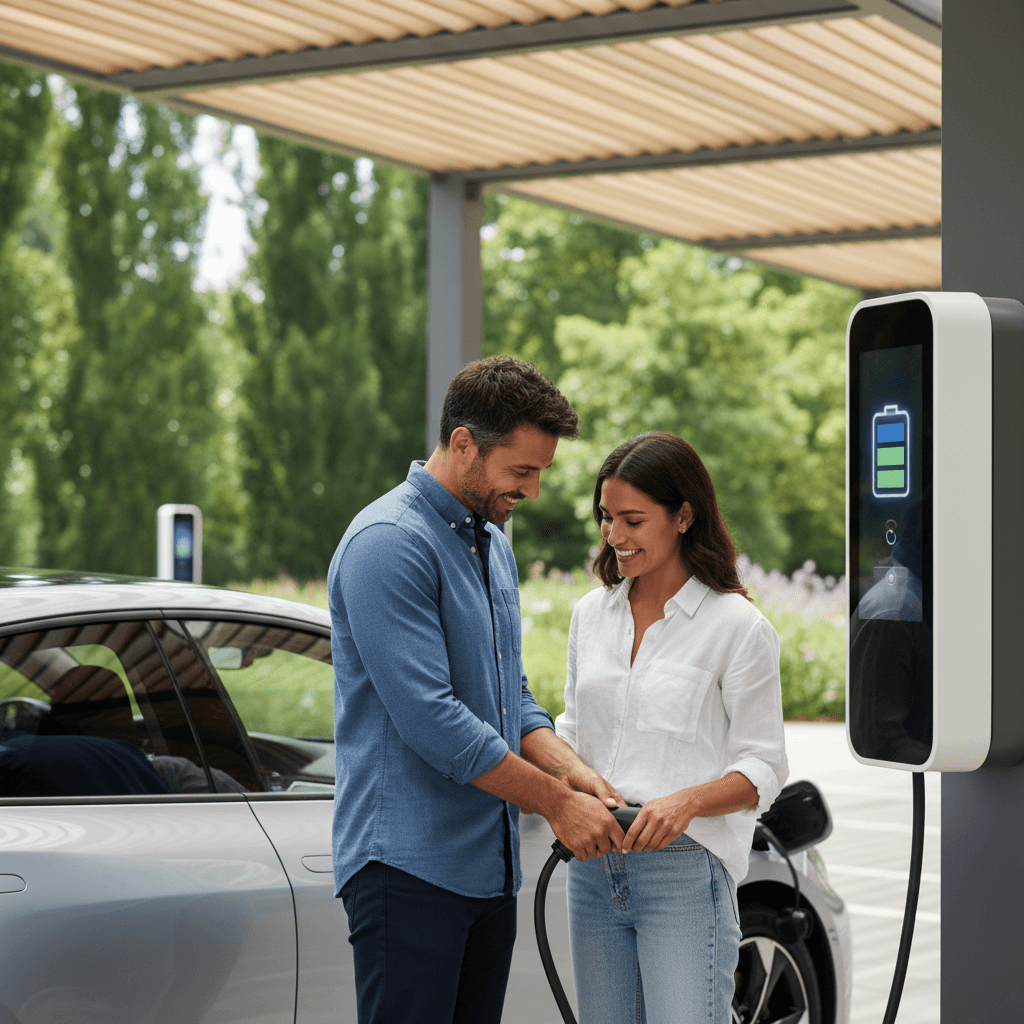
Installing a home charging station is one of the most effective ways to ensure your electric car is always ready to go. Owning a Level 2 charger at home allows for faster charging and the convenience of charging overnight. When considering installation, assess your electrical capacity and consult a certified electrician to ensure your home can handle the additional load. The installation process may require a dedicated circuit and permits, depending on local regulations.
Home charging stations come in various models, featuring different charging speeds and functionalities. Some advanced models even allow for scheduling charging times to take advantage of off-peak electricity rates. Explore options that fit your lifestyle and budget. Investing in a home charger can save you time and money in the long run, eliminating the need for frequent visits to public charging stations.
Moreover, having a home charging station can significantly enhance your EV ownership experience. You can charge your vehicle at your convenience and avoid the anxiety of locating a public station, especially during peak hours. Additionally, some utility companies offer incentives for home charging installations, including rebates or lower electricity rates. Research available incentives in your area to maximize your investment.
Consider the location of your charging station within your garage or driveway. Ensure it is easily accessible and does not obstruct movement. Installing a charging station close to your parking space will streamline the charging process. Lastly, always prioritize safety by following the manufacturer's guidelines and adhering to local electrical codes during installation.
Locating Public Charging Stations
As an electric vehicle owner, knowing how to locate public charging stations is essential for long drives and daily commutes. Numerous apps are available to help you find nearby charging stations, providing real-time information on availability and charging speeds. Popular applications include PlugShare, ChargePoint, and EVgo, each offering user-friendly interfaces and comprehensive databases of charging locations.
When using these apps, filter your search based on charging levels, types, and compatibility with your vehicle. This feature allows you to identify stations that best meet your needs, whether you require a quick top-up or an extended charge. Additionally, many apps provide user reviews and photos of the charging stations, giving you insights into the station's condition and reliability.
It’s important to plan your route ahead of time, especially during long journeys. Use the apps to plot charging stops along your route and estimate how long each charging session will take. This will help you manage your time effectively and avoid running low on battery. Frequent charging stops can also provide a chance to explore new areas and enjoy meals while your vehicle charges.
As the EV market expands, the availability of public charging stations continues to grow. However, it's wise to have a backup plan in case your preferred charging station is occupied. Familiarize yourself with alternative stations along your route to ensure you're never stranded. Embracing this proactive approach will enhance your confidence when driving your electric vehicle.
Understanding Charging Etiquette
Charging etiquette is crucial for fostering a positive experience at public charging stations. As electric vehicle ownership rises, it's essential to be respectful of other EV drivers. First and foremost, avoid occupying a charging spot when your vehicle is fully charged. This practice, known as 'ICE-ing,' can frustrate fellow EV owners who need to recharge. Most charging stations have a time limit for how long you can occupy a spot after charging is complete.
Always monitor your charging progress using available apps or station screens. Once your vehicle reaches the desired level, promptly move it to make space for other users. Additionally, be courteous by ensuring the area around the charging station is clean and free from obstructions. Respecting these practices helps build a supportive community among electric vehicle drivers.
If you arrive at a busy charging station, be patient. Inquire if others are waiting and be willing to share your charging time if necessary. Some stations offer sharing capabilities, allowing two vehicles to charge simultaneously, so inquire about this option if available. Building a sense of community will enhance the overall experience for everyone involved.
Lastly, consider leaving feedback on charging station apps regarding your experience. Sharing your insights on the station's functionality and overall cleanliness can help improve the network for all users. Being mindful of your behavior at charging stations will contribute to a positive EV culture.
Maximizing Your EV's Range
Maximizing your electric vehicle's range is essential for ensuring you can complete your daily tasks without range anxiety. One of the most effective ways to achieve this is by practicing efficient driving habits. Smooth acceleration and deceleration, maintaining a consistent speed, and using regenerative braking can significantly enhance range. Avoid rapid accelerations and high speeds, as they consume more energy.
Additionally, pay attention to temperature settings within your vehicle. Heating and cooling systems can draw a significant amount of power from the battery. Use seat warmers and other energy-saving features to minimize energy consumption. Parking in shaded areas during hot weather or using windshield shades can reduce the need for air conditioning, further extending your range.
Regularly check your tire pressure, as under-inflated tires can decrease efficiency. Ensure your tires are inflated to the manufacturer's recommended levels for optimal performance. Furthermore, consider removing unnecessary weight from your vehicle, as carrying heavy items can negatively impact range. The lighter your vehicle, the more efficient it will be.
Finally, be mindful of your charging habits. Charging your vehicle to 80% instead of 100% for daily use can help preserve battery life. Most EV batteries are designed to last longer when not consistently charged to full capacity. By implementing these strategies, you'll not only maximize your range but also contribute to the longevity of your electric vehicle's battery.
The Future of Electric Vehicle Charging
The future of electric vehicle charging is promising, with advancements in technology and infrastructure paving the way for a more sustainable transportation landscape. As battery technology evolves, charging speeds are expected to increase significantly, allowing for ultra-fast charging capabilities. Researchers are working on solid-state batteries, which can potentially offer higher energy densities and quicker charging times.
Moreover, the expansion of charging networks is crucial for accommodating the growing number of electric vehicles on the road. Governments and private companies are investing in charging infrastructure, ensuring that charging stations are more accessible and widespread. This movement aims to reduce range anxiety and encourage more drivers to transition to electric vehicles.
Innovations in wireless charging technology are also on the horizon. Inductive charging pads that allow vehicles to charge while parked or even while in motion could become a reality in the coming years. This technology has the potential to eliminate the hassle of plugging in and could revolutionize the EV charging experience.
Additionally, the integration of renewable energy sources into charging stations is becoming increasingly prevalent. Solar panels and wind turbines can power charging stations, making the charging process more sustainable. As the demand for electric vehicles rises, the need for eco-friendly charging solutions will become a central focus for the industry.
"Understanding charging basics is crucial for new EV drivers. A well-informed approach ensures a smoother transition to electric mobility."
— Emily Johnson, EV Charging Specialist
| Charging Level | Charging Speed | Best Use | Typical Location | Cost |
|---|---|---|---|---|
| Level 1 | 4-5 miles/hour | Home charging for short commutes | Home outlets | Low (uses standard outlet) |
| Level 2 | 10-20 miles/hour | Home charging and public stations | Homes, parking lots | Moderate (installation costs may apply) |
| DC Fast Charging | Up to 80% in 30 minutes | Long road trips | Highway stations | High (per minute or session) |
Frequently Asked Questions
What is Level 1 charging?
Level 1 charging utilizes a standard 120-volt outlet, providing a slow charging rate of about 4-5 miles of range per hour. This method is best suited for overnight charging at home, making it ideal for drivers with short daily commutes. While it may take longer to fully charge your vehicle compared to other methods, it is convenient for those who can plug in overnight and have access to a household outlet. Level 1 charging does not require any special equipment, making it accessible for most electric vehicle owners.
How can I find public charging stations?
Public charging stations can be easily located using various mobile apps and websites that provide real-time information about charging locations. Popular apps include PlugShare, ChargePoint, and EVgo, which allow users to filter stations based on charging levels, availability, and user reviews. Additionally, many electric vehicle manufacturers offer built-in navigation systems that can direct you to nearby charging stations. Planning your route in advance and familiarizing yourself with available stations can help reduce range anxiety during long trips.
What should I do if a charging station is occupied?
If you arrive at a charging station and find it occupied, it’s essential to remain patient and wait for your turn. While waiting, consider using a charging station app to check the status of other nearby stations as backups. Some stations offer a waitlist feature that notifies you when it becomes available. Be sure to practice good charging etiquette by not blocking access to the charging station and keeping the area clean. If you are pressed for time, having a backup plan ensures you can efficiently continue your journey.
How can I maintain my electric vehicle's battery health?
Maintaining your electric vehicle's battery health is essential for ensuring long-term performance and longevity. To do this, avoid consistently charging to 100% unless necessary, as keeping your battery at a lower state of charge can help prolong its lifespan. Additionally, try to avoid deep discharging your battery. Regularly check and maintain tire pressure, as well-inflated tires can improve efficiency. Finally, follow your manufacturer's guidelines for battery maintenance and software updates to ensure optimal performance over time.
What are the benefits of home charging?
Home charging offers numerous benefits for electric vehicle owners, including convenience, cost savings, and reduced range anxiety. With a Level 2 charging station installed at home, you can charge your vehicle overnight, ensuring it’s always ready for your daily commute. Home charging can also be more economical than using public stations, especially if you take advantage of off-peak electricity rates. Furthermore, having a dedicated charging station at home eliminates the hassle of searching for available public chargers, providing peace of mind for EV owners.